

Financial literacy for multipliers
Our aim is to convey financial education to as many people as possible. This is why working with multipliers is particularly valuable to us. Together with representatives from the respective areas, we work on formats that are easy to use and have the greatest possible impact on the target group.

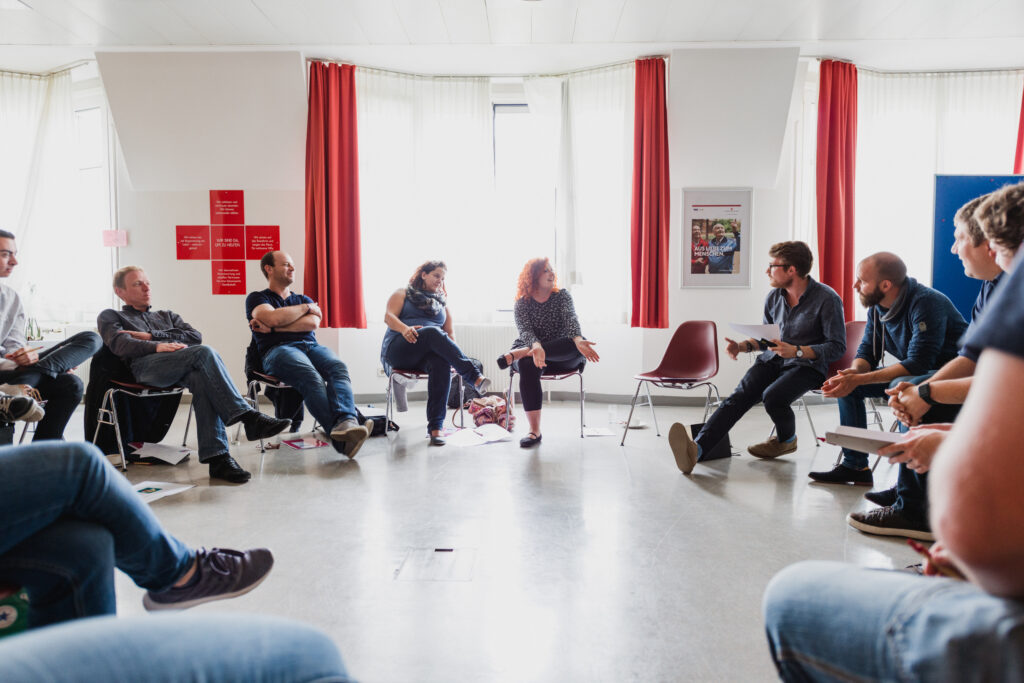


Workshop for youth workers
Young people are growing up in a fast-paced, digital world of consumption and finance, and they need safe learning environments to get off to a good start in managing their finances. Youth workers understand the realities of their lives very well—that’s why we involve them as advocates.
In our one-day workshop, youth workers receive practical and accessible tools for talking with young people about their fears, hopes, and behaviors related to money. We developed the content in collaboration with experts in youth work, debt counseling, and education.

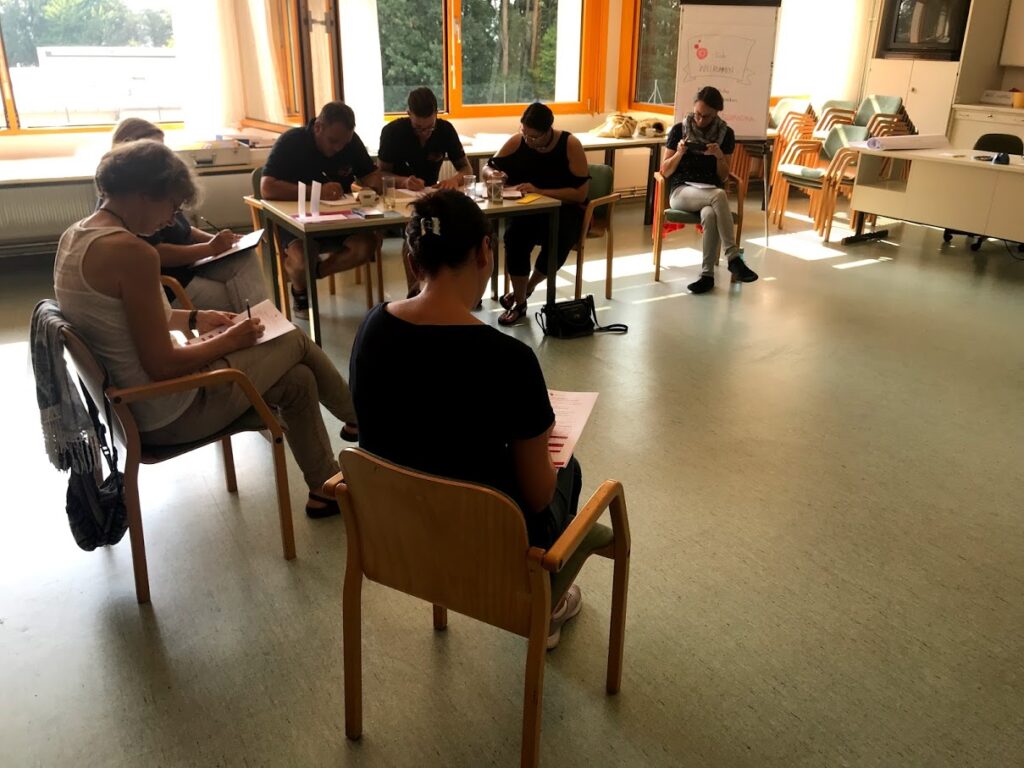
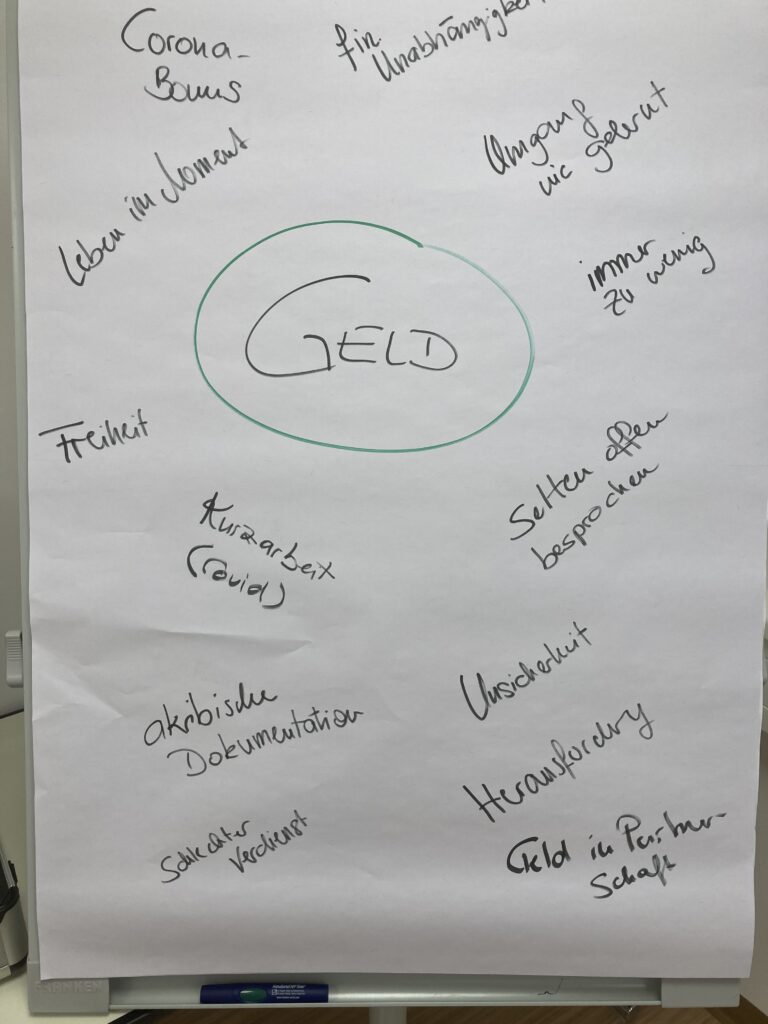
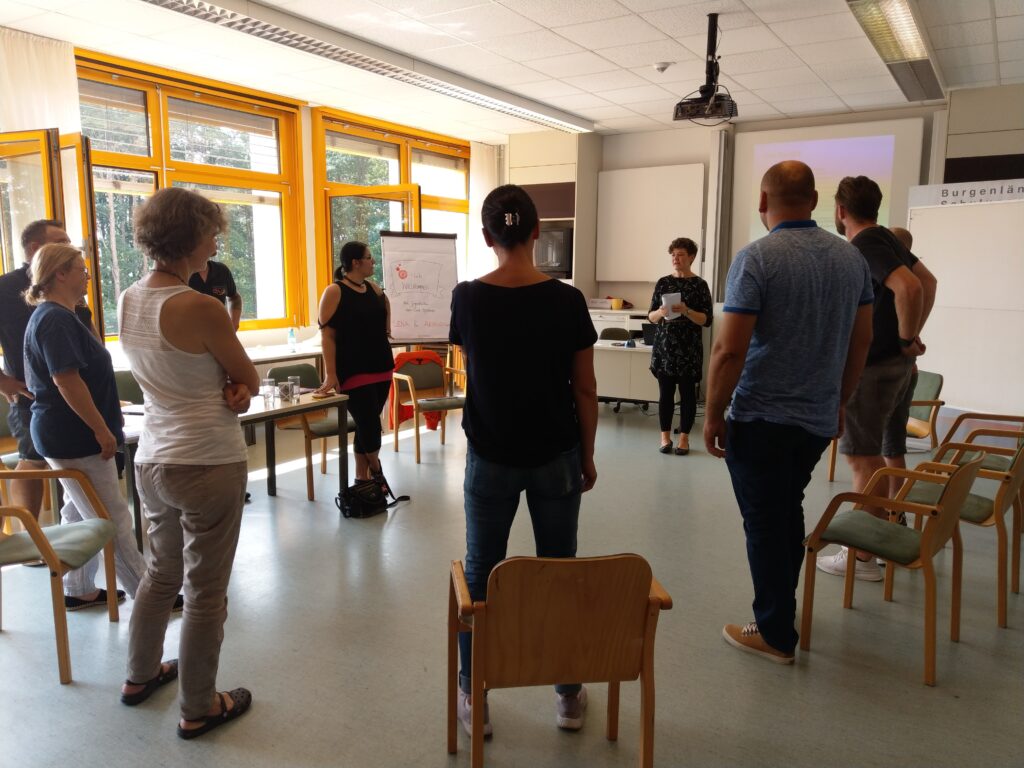
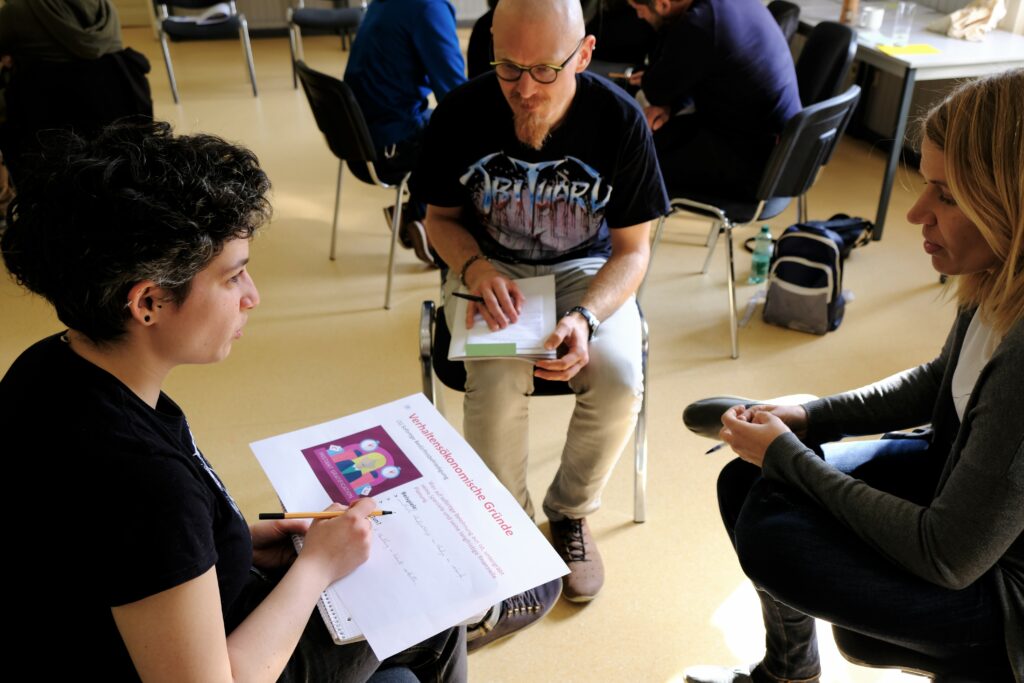
Workshop for counsellors
The topic of money touches nearly every aspect of our lives. That’s why even counselors outside the financial sector are often confronted with questions about it. We’ve developed a dedicated workshop for these situations.
The goal is to equip participants with effective tools to help them pass on financial literacy to their clients in an accessible way. Since how people handle money is influenced by many factors, the workshop covers a broad spectrum: methodology, teaching strategies, behavioral psychology, and basic financial education—all taught interactively and through group discussion.

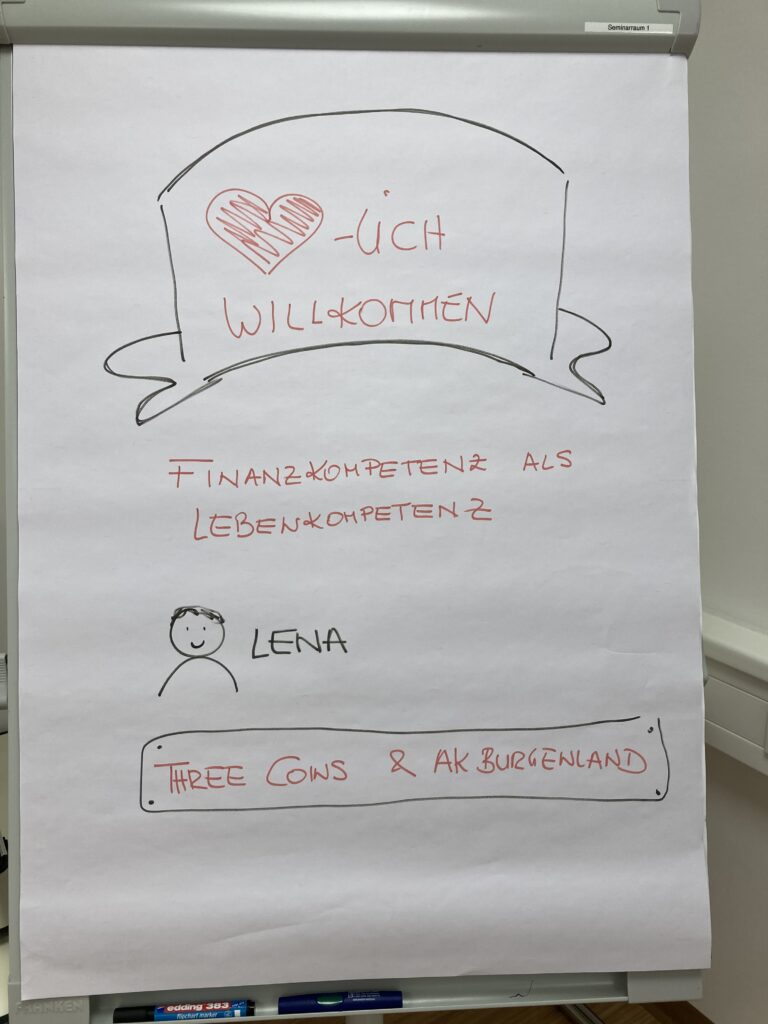
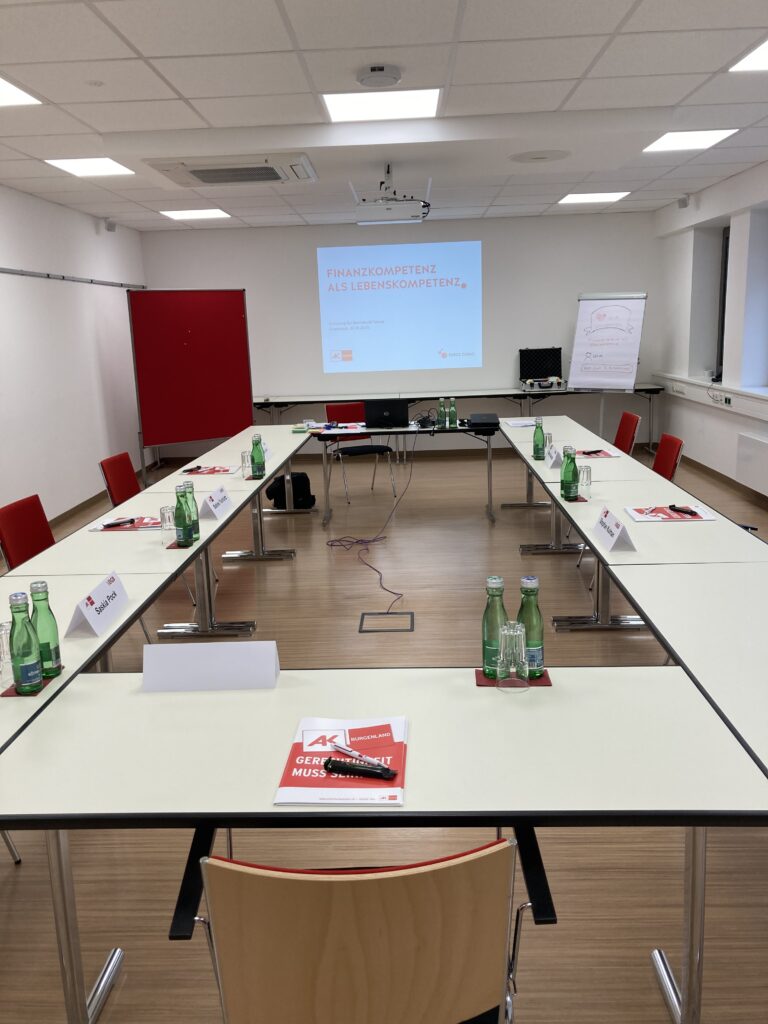
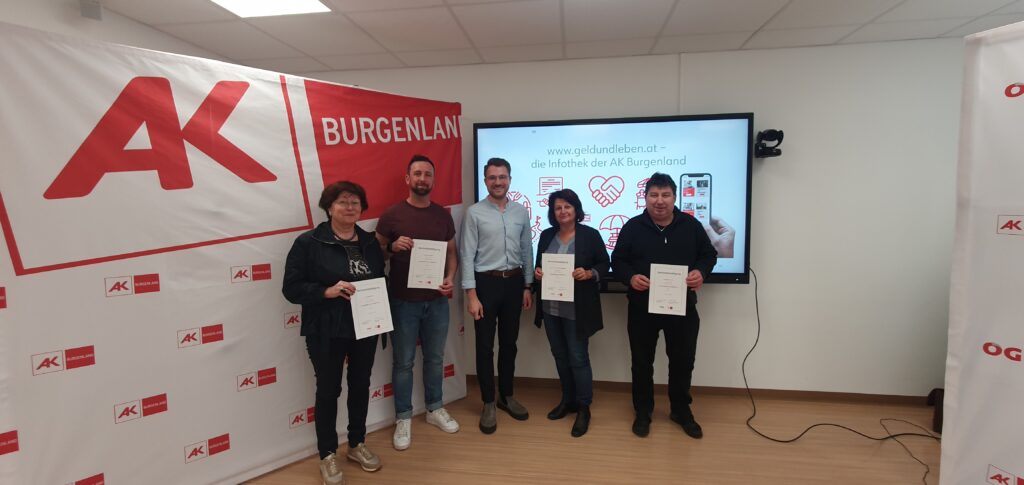
Workshop for works council members
Works council members are important trusted representatives within the company and are often familiar with their colleagues’ personal circumstances—which is why they play a special role when it comes to financial matters.
This workshop combines the theoretical foundations of financial literacy with practical tools for managing one’s own finances. It focuses on the following topics: how psychological mechanisms influence our relationship with money, examining personal spending habits, managing one’s own finances in everyday life, and planning for retirement. Rules of thumb and practical examples ensure that what is learned can be easily shared in everyday life—and within the company.